Water and flood damage can cause serious problems for homeowners, from ruined floors and walls to damaged furniture and appliances. Knowing what your insurance policy covers is essential before filing a claim, as not all policies include flood protection.
This guide will help homeowners understand insurance coverage for water and flood damage in 2026.
Types of Water Damage Covered by Home Insurance
Homeowners insurance policies generally cover certain types of water damage, but coverage can vary. Common covered events include:
- Burst pipes: Sudden pipe bursts causing internal flooding
- Water overflow: Accidental overflow from appliances like washing machines or dishwashers
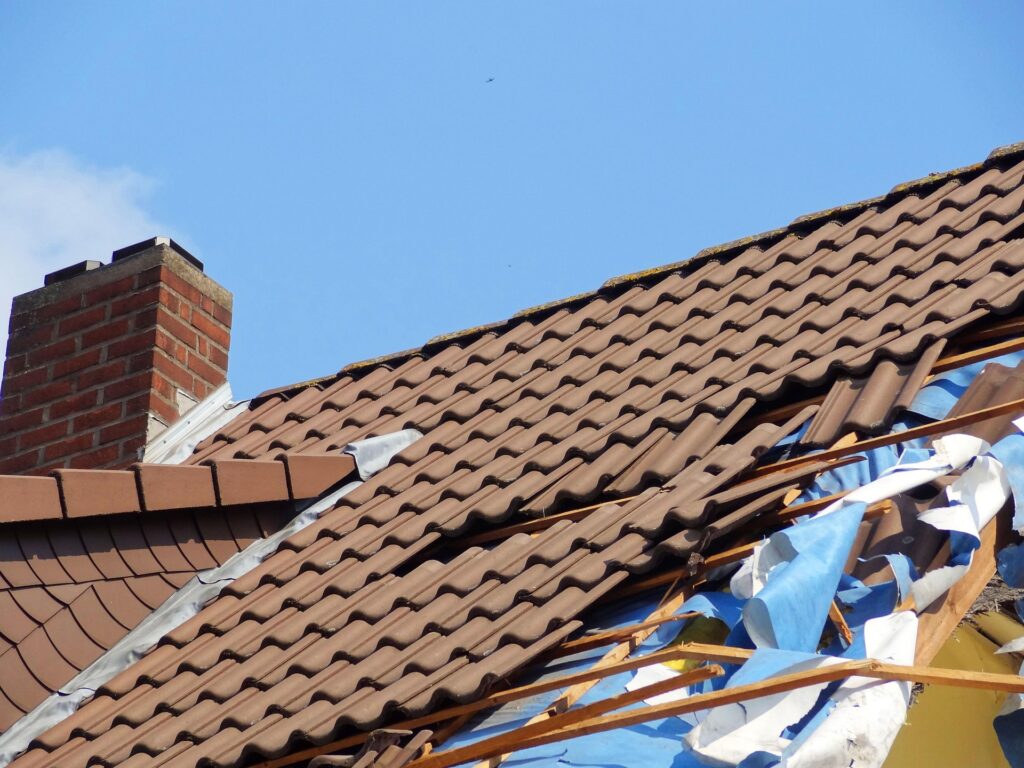
- Roof leaks: Damage caused by heavy storms leading to internal water intrusion
- Fire suppression systems: Water damage from sprinkler systems after fire
It’s important to note that coverage often excludes gradual leaks or maintenance-related issues.
Understanding Flood Insurance
Flooding caused by natural events—such as heavy rain, river overflow, or storm surges—is usually not covered by standard homeowners insurance. Homeowners need a separate flood insurance policy, often provided through:
- National Flood Insurance Program (NFIP)
- Private flood insurance providers
Flood insurance typically covers:
- Structural damage to walls, floors, and foundation
- Personal property, depending on coverage limits
- Temporary living expenses if the home becomes uninhabitable
What Is Not Covered
Insurance policies may not cover:
- Mold growth resulting from long-term moisture
- Gradual leaks or seepage
- Wear and tear or pre-existing damage
- Items stored outside or not properly maintained
Understanding exclusions prevents surprises during the claims process.
Deductibles and Policy Limits
Homeowners should be aware of:
- Deductibles: The amount you pay out-of-pocket before insurance kicks in
- Coverage limits: Maximum payout for structural damage or personal property
- Separate limits for certain items: Jewelry, electronics, or expensive furnishings may have lower coverage
Knowing these details helps you plan for repairs and avoid financial gaps.
Filing a Claim for Water or Flood Damage
Steps to file a claim include:
- Document the damage: Take photos, videos, and notes of all affected areas
- Contact your insurer promptly: Notify them within 72 hours of damage
- Work with an adjuster: Ensure they inspect all affected areas
- Keep receipts: For temporary repairs, cleaning, or emergency housing
- Understand your settlement: Review what is covered, deductibles, and payout timelines
Clear documentation and prompt communication increase the likelihood of full reimbursement.
Tips to Maximize Your Coverage
- Review your policy annually to ensure you have adequate coverage
- Consider flood insurance if your area is prone to flooding
- Document property values and update inventories regularly
- Maintain your home to prevent damage from gradual leaks
Proactive steps protect both your property and your finances.
Final Thoughts
Understanding your insurance coverage is critical when dealing with water and flood damage. Homeowners need to know what is covered, what requires separate flood insurance, and what exclusions exist.
By reviewing your policy, documenting property, and filing claims promptly, you can maximize your insurance protection and ensure your home is restored efficiently. Knowledge and preparation are the keys to avoiding financial loss after water or flood damage.