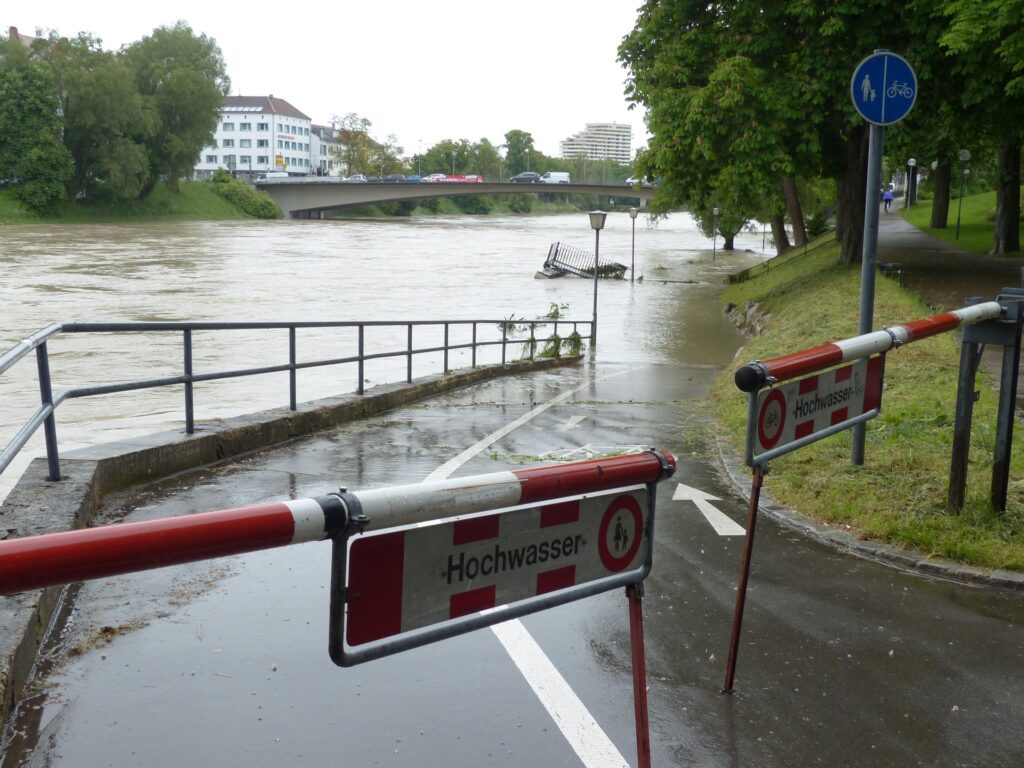
Flooding can cause serious damage to your home, from ruined flooring and walls to destroyed furniture and personal items. While it’s impossible to control heavy rainfall or natural disasters, homeowners can take proactive steps to minimize flood damage and protect their property.
This guide covers practical tips and home upgrades to prevent flood damage in 2026:
1. Improve Home Drainage
Proper drainage around your property helps prevent water from pooling near your home.
- Ensure gutters and downspouts are clean and free of debris
- Extend downspouts away from the foundation
- Grade the yard so water flows away from the home
- Install French drains or surface drains in low-lying areas
Good drainage reduces water infiltration into basements and crawl spaces.
2. Install a Sump Pump
A sump pump is a powerful tool for preventing basement flooding.
- Pumps water out of the basement and directs it away from the home
- Consider a battery backup in case of power outages during storms
- Regularly test and maintain the pump to ensure proper operation
Sump pumps are especially useful in areas prone to heavy rainfall or groundwater seepage.
3. Seal Foundation and Walls
Sealing cracks in the foundation or basement walls helps prevent water entry.
- Use waterproof sealants on walls, floors, and foundation cracks
- Consider applying waterproof paint or coatings in basements
- Inspect your foundation regularly for new cracks
Sealing provides an extra layer of protection against seepage.
4. Elevate Electrical and HVAC Systems
Water damage to electrical and HVAC systems can be expensive and dangerous.
- Raise outlets, switches, and wiring above potential flood levels
- Elevate HVAC units, water heaters, and sump pumps
- Keep important appliances off the floor when possible
Elevating systems minimizes repair costs during flooding events.
5. Install Flood Barriers and Shields
Temporary or permanent barriers can prevent water from entering your home.
- Flood gates or shields on doors and windows
- Sandbags or water-filled barriers during storms
- Permanent berms or levees for high-risk properties
These barriers are especially effective for protecting entry points during flash floods.
6. Use Flood-Resistant Materials
When building or renovating, choose materials that withstand water exposure.
- Tile, stone, or concrete floors instead of wood or carpet
- Water-resistant drywall or cement boards in basements and bathrooms
- Moisture-resistant insulation
Flood-resistant materials reduce repair costs if water enters your home.
7. Keep Important Items Safe
Protect personal belongings by storing them above potential flood levels.
- Use waterproof containers for documents, electronics, and valuables
- Keep irreplaceable items on upper floors
- Consider cloud storage for digital documents and photos
Preparation ensures you don’t lose critical items during flooding.
8. Regular Maintenance and Inspections
Routine maintenance prevents small problems from becoming major flood risks.
- Inspect roofs, gutters, and downspouts regularly
- Check for cracks or leaks in foundations and walls
- Maintain sump pumps, drainage systems, and sealing
- Monitor humidity and moisture levels in basements and crawl spaces
Proactive maintenance helps prevent costly flood damage.
Final Thoughts
While floods can’t always be avoided, prevention measures and home upgrades significantly reduce damage and repair costs. Improving drainage, installing sump pumps, sealing foundations, elevating systems, using flood-resistant materials, and maintaining your property are key steps every homeowner should take.
By taking these precautions, homeowners can protect their homes, reduce insurance claims, and keep their families safe during flooding events.