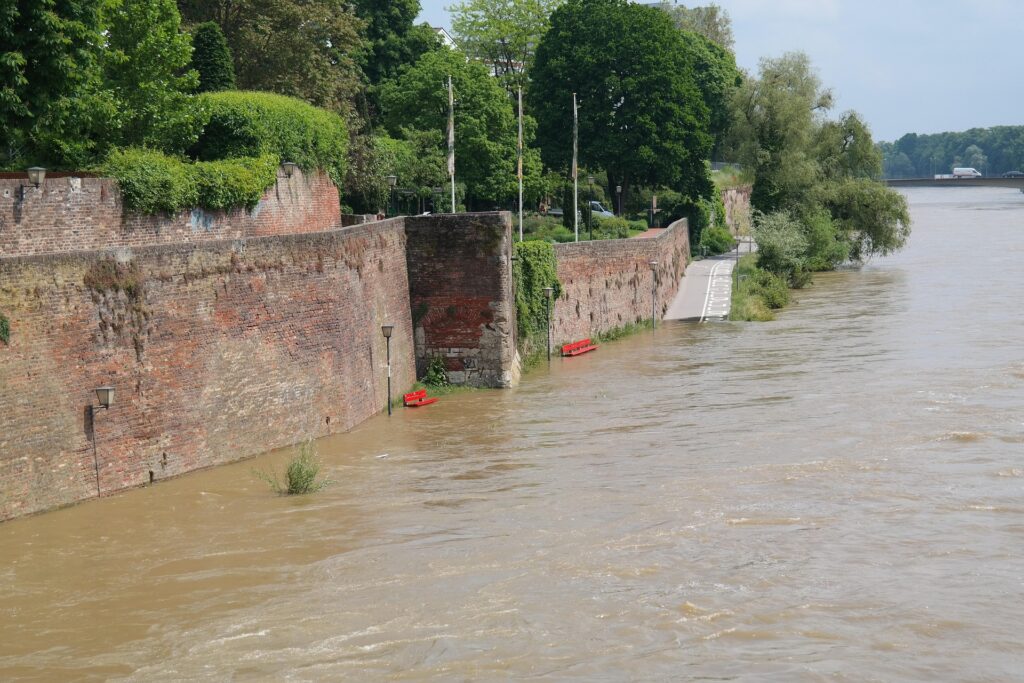
Flooding can happen unexpectedly, whether due to heavy rainfall, river overflow, storm surges, or plumbing failures. When water enters your home, it can damage flooring, walls, furniture, electrical systems, and personal belongings. Floods not only destroy property but also create health risks through mold and bacterial growth.
For homeowners, understanding flood damage restoration is crucial. Acting quickly can minimize damage, reduce repair costs, and protect your family’s health.
In this guide, you will learn:
- What flood damage restoration involves
- Step-by-step restoration process
- How to prevent long-term damage
- DIY vs professional restoration
- Costs of flood damage restoration in 2026
What Is Flood Damage Restoration?
Flood damage restoration is the process of cleaning, drying, and repairing a home affected by water. It includes:
- Removing standing water
- Drying and dehumidifying affected areas
- Cleaning and disinfecting surfaces
- Repairing or replacing damaged materials
- Preventing mold growth
Professional restoration companies use specialized equipment like industrial pumps, dehumidifiers, and air movers to restore homes efficiently and safely.
Step-by-Step Flood Damage Restoration Process
Step 1: Safety First
Before entering a flooded home, ensure safety:
- Turn off electricity and gas
- Wear protective gear like gloves, boots, and masks
- Avoid standing in contaminated water
Step 2: Assess the Damage
Inspect your home to understand the extent of damage:
- Floors, walls, ceilings, and insulation
- Furniture and personal belongings
- Electrical systems and appliances
Document the damage with photos for insurance claims.
Step 3: Water Removal
Removing standing water is the first priority. This can be done with:
- Pumps and wet/dry vacuums for large areas
- Buckets and mops for minor flooding
Quick removal reduces structural damage and prevents mold growth.
Step 4: Drying and Dehumidifying
After water removal, the next step is drying:
- Use industrial fans and dehumidifiers to remove moisture
- Open windows for ventilation if weather allows
- Remove wet carpets and furniture for separate drying
Thorough drying prevents long-term mold problems.
Step 5: Cleaning and Disinfecting
Floodwater can carry bacteria, chemicals, and debris. Proper cleaning includes:
- Scrubbing walls, floors, and affected surfaces
- Using disinfectants to kill bacteria and mold spores
- Laundering affected fabrics with hot water
Step 6: Repair and Restoration
Once cleaned and dried, repair damage:
- Replace drywall, insulation, and flooring if needed
- Repair or restore electrical systems and appliances
- Repaint walls and ceilings as necessary
Restoration ensures your home is safe, functional, and looks like new.
DIY vs Professional Flood Restoration
DIY Flood Restoration
Homeowners may attempt to restore small flood damage themselves using:
- Wet/dry vacuums
- Household fans and dehumidifiers
- Cleaning and disinfecting supplies
Pros: Lower cost for minor damage
Cons: Risk of hidden moisture, mold, and incomplete repairs
Professional Flood Restoration
Professional restoration companies provide:
- Rapid water extraction
- Industrial drying equipment
- Mold prevention
- Assistance with insurance claims
Pros: Faster, safer, and more thorough restoration
Cons: Higher initial cost
Costs of Flood Damage Restoration in 2026
Flood restoration costs depend on the severity and size of the affected area:
- Minor flooding (small rooms): $1,000 – $3,000
- Moderate flooding (entire floors): $3,000 – $8,000
- Severe flooding (whole house): $8,000 – $20,000+
Insurance coverage may help offset costs if flooding is from a covered event.
Tips to Minimize Flood Damage
- Act quickly to remove water and dry affected areas
- Elevate furniture and valuables during floods
- Install sump pumps and backflow valves
- Maintain proper drainage around your home
Preventive measures can reduce repair costs and protect your property.
Final Thoughts
Flood damage restoration is a critical process for protecting your home and health after water intrusion. Acting quickly, removing water, drying affected areas, cleaning, and repairing damage can prevent long-term issues like mold growth and structural damage.
For minor flooding, homeowners may perform restoration themselves. For moderate to severe flooding, professional flood restoration services are recommended to ensure complete recovery.
By understanding the process and acting fast, you can restore your home safely and efficiently.