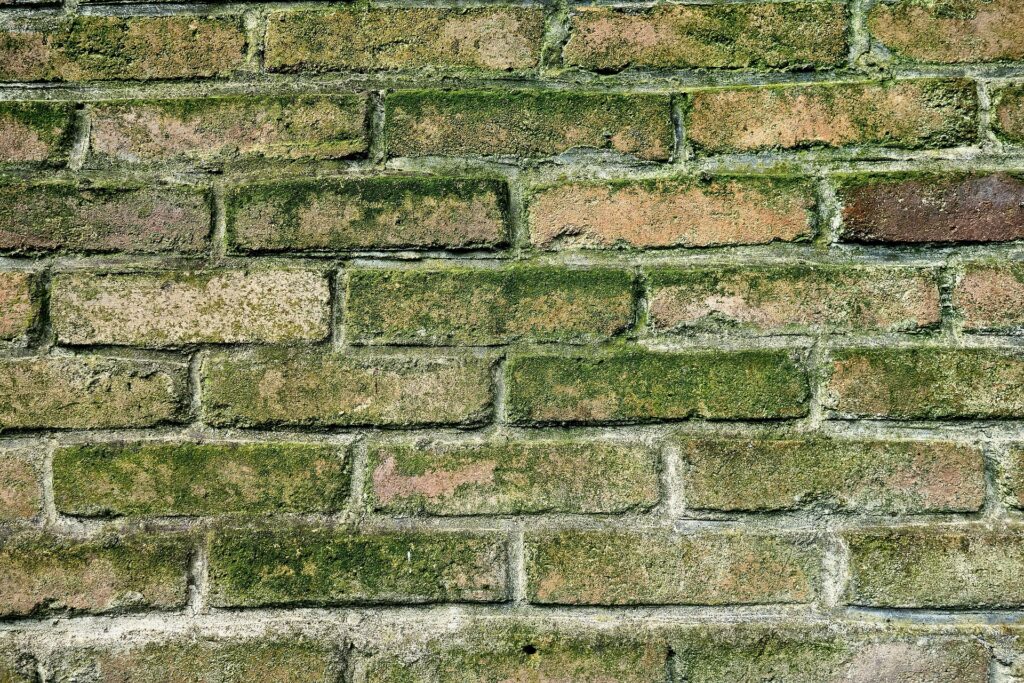
Mold growing on walls is a common problem in many homes, especially in areas with high humidity or water damage. Bathrooms, basements, kitchens, and poorly ventilated rooms often experience mold growth because moisture easily builds up in these spaces.
At first, mold on walls may appear as small black, green, or gray spots. However, if it is not removed quickly, it can spread across large sections of the wall and even damage the underlying structure. Mold can also produce a musty smell and affect indoor air quality.
The good news is that mold on walls can often be removed safely if the problem is caught early and the correct cleaning methods are used.
In this complete guide, you will learn:
- Why mold grows on walls
- Signs that mold is spreading inside your home
- Step-by-step methods to remove mold from walls
- When you should hire professional mold remediation services
- How to prevent mold from coming back
Understanding the proper mold removal process can help protect your home and maintain a healthy living environment.
Why Mold Grows on Walls
Mold grows when spores in the air land on damp surfaces and begin to multiply. Walls become ideal environments for mold growth when moisture remains for long periods.
Some of the most common causes include:
Water Leaks
Leaking pipes, roof leaks, or plumbing problems can allow water to seep into wall materials.
High Humidity
Rooms with high humidity levels, especially bathrooms and basements, often develop mold on walls.
Poor Ventilation
Without proper airflow, moisture becomes trapped in indoor spaces and encourages mold growth.
Condensation
Condensation on cold walls during winter months can create moisture that supports mold growth.
Previous Water Damage
Walls that have been exposed to flooding or leaks may develop mold if they were not completely dried.
Fixing the moisture source is the most important step in preventing mold from returning.
Signs of Mold on Walls
Mold is not always obvious at first. Recognizing early warning signs can help stop the problem before it spreads.
Common signs include:
Dark Spots or Stains
Black, green, or brown spots on the wall surface are often the first visible signs of mold growth.
Musty Odor
A persistent musty smell in a room may indicate hidden mold behind walls or under paint.
Peeling Paint or Wallpaper
Moisture trapped behind paint or wallpaper can cause bubbling or peeling.
Allergy Symptoms
Some people may experience coughing, sneezing, or eye irritation when mold spores are present in the air.
Damp Walls
Walls that feel damp or soft to the touch may contain hidden moisture that encourages mold growth.
If these signs appear, it is important to inspect the area and take action quickly.
Safety Precautions Before Removing Mold
Before cleaning mold from walls, it is important to protect yourself from exposure to mold spores.
Basic safety precautions include:
- wearing protective gloves
- using safety goggles
- wearing an N95 mask or respirator
- ensuring proper ventilation in the room
These precautions help reduce the risk of breathing in mold spores during the cleaning process.
Step-by-Step Process to Remove Mold From Walls
Removing mold from walls requires careful cleaning and proper drying to prevent it from returning.
Step 1: Fix the Moisture Problem
Before removing mold, identify and repair the moisture source.
This may involve:
- fixing leaking pipes
- repairing roof leaks
- improving room ventilation
- using a dehumidifier
If the moisture problem is not fixed, mold will likely grow back.
Step 2: Prepare the Cleaning Solution
Several cleaning solutions can be used to remove mold from walls.
Common options include:
- white vinegar
- hydrogen peroxide
- baking soda solution
- commercial mold removal cleaners
These solutions help kill mold spores and remove visible growth.
Step 3: Scrub the Moldy Surface
Using a soft brush or sponge, gently scrub the moldy areas on the wall.
Make sure to:
- apply the cleaning solution directly to the mold
- scrub carefully to avoid damaging the wall surface
- clean beyond the visible mold area
This step removes mold colonies from the wall surface.
Step 4: Wipe and Rinse the Area
After scrubbing, wipe the wall with a clean damp cloth to remove any remaining residue.
Avoid soaking the wall with excessive water, as additional moisture may worsen the problem.
Step 5: Dry the Wall Completely
Proper drying is one of the most important steps in mold removal.
Use the following methods to dry the wall:
- open windows for ventilation
- use fans to increase airflow
- run a dehumidifier to remove moisture
Drying the wall completely helps prevent mold from returning.
When Moldy Walls Need Replacement
In some cases, mold may grow deep inside wall materials such as drywall or insulation.
If mold damage is severe, the affected materials may need to be removed and replaced.
Signs that replacement may be necessary include:
- soft or crumbling drywall
- mold spreading across large areas
- strong musty odors even after cleaning
Professional mold remediation services may be required in these situations.
Professional Mold Remediation Services
For large mold infestations, professional mold remediation companies provide specialized cleaning and restoration services.
Professionals use equipment such as:
- HEPA air filtration systems
- industrial dehumidifiers
- antimicrobial treatments
These tools help remove mold safely while preventing spores from spreading to other areas of the home.
Professional mold removal is recommended when mold covers large sections of walls or affects multiple rooms.
Cost of Mold Removal From Walls
The cost of removing mold from walls depends on the size of the affected area and the severity of the infestation.
Typical costs include:
- Small mold removal: $300 – $1,000
- Moderate mold remediation: $1,000 – $3,500
- Large mold removal projects: $3,500 – $8,000+
Costs may increase if damaged drywall or insulation needs replacement.
How to Prevent Mold From Returning
Preventing mold growth is the best way to avoid future problems.
Homeowners can reduce mold risk by following these steps:
- keep indoor humidity below 50%
- repair plumbing leaks immediately
- improve ventilation in bathrooms and kitchens
- use exhaust fans when cooking or showering
- inspect walls and ceilings regularly for moisture
Proper moisture control is the key to preventing mold growth.
Final Thoughts
Mold on walls is a problem that should never be ignored. What begins as a few small spots can quickly spread and damage building materials while affecting indoor air quality.
The most important step in removing mold is identifying and fixing the moisture source. Once the cause is resolved, mold can be cleaned using proper solutions and safe removal methods.
For small mold problems, homeowners may be able to remove the mold themselves. However, larger infestations often require professional mold remediation services to ensure complete removal.
By maintaining proper ventilation and controlling moisture levels inside the home, homeowners can prevent mold from returning and keep their living environment safe and healthy.